
Canon EF 100-400mm f/4.5-5.6L IS USM Lens
4.0Editor score
Professional L-series construction
Advanced optical elements
Effective reach up to 640mm
This guide compares the top Camera Lens for Long Distance Wildlife options for 2026, analyzing zoom range, stabilization, and optical quality to help you
Capturing wildlife from a safe distance requires specialized optics that can reach far without sacrificing image quality. A great lens offers sharp focus, reliable stabilization, and versatile zoom ranges to handle unpredictable animal behavior in the field.
We analyzed ten leading telephoto lenses based on optical performance, autofocus speed, and build durability. Our comparison covers both mirrorless and DSLR options to ensure compatibility with your current camera system and shooting style.
Each pick highlights key strengths and limitations to help you choose the right tool for your adventures. Keep in mind that product availability and pricing can change frequently, so check current listings before making your final decision.
4.0Editor score
4.7Editor score

4.2Editor score
The following table provides a side-by-side comparison of all ten lenses evaluated in this guide. Review the specifications to identify which model aligns best with your camera mount and specific wildlife photography needs.



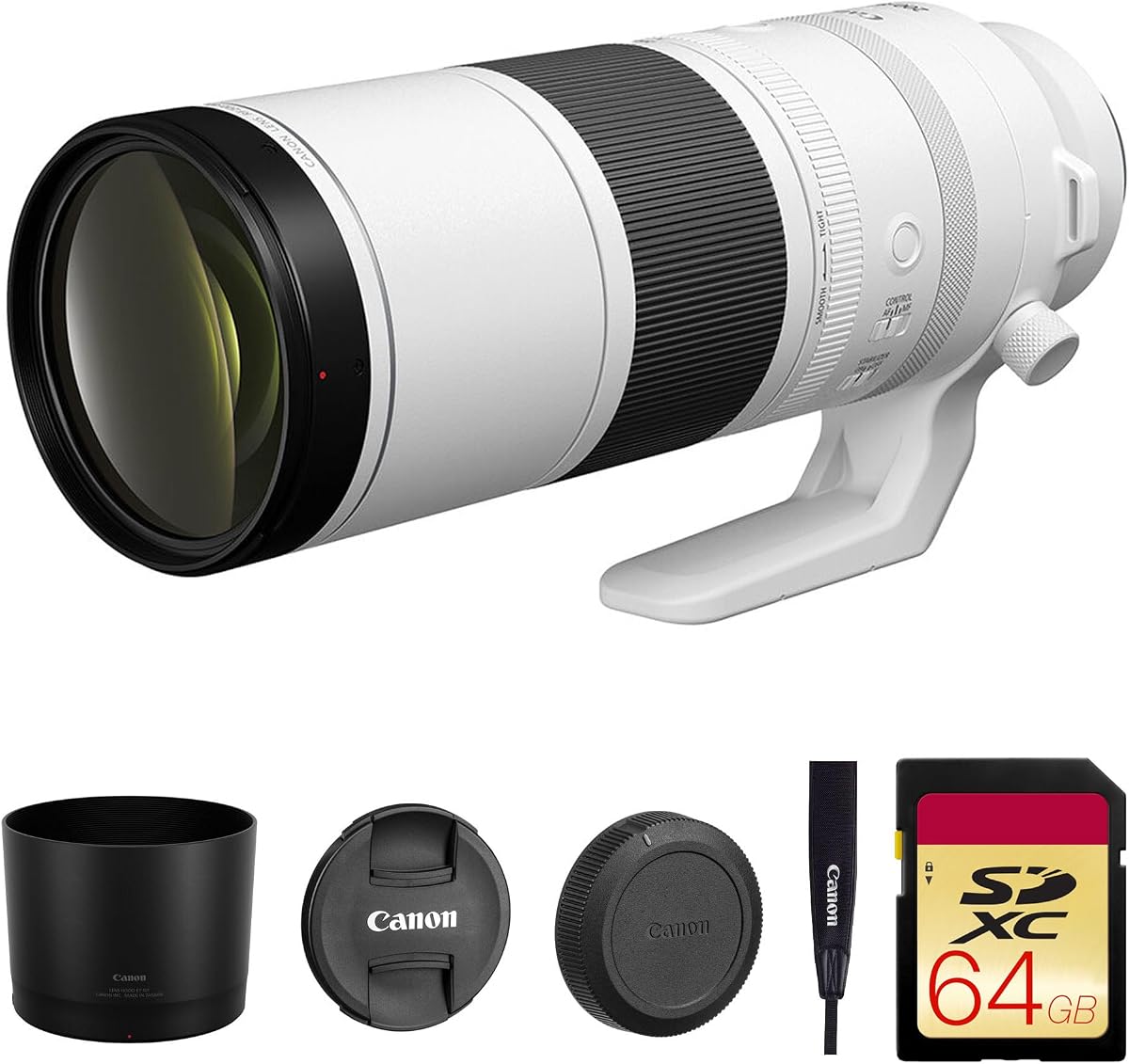
This Canon RF lens stands out as the top choice for wildlife photographers seeking extreme reach without excessive weight. It holds a 4.7 rating from users who praise its versatility in the field.
We may earn a commission when you buy through this link, at no additional cost to you.
The 200 to 800mm zoom range provides unmatched flexibility for capturing birds and distant mammals. The USM autofocus system ensures you can lock onto fast moving subjects quickly and accurately.
While the aperture narrows to f/9 at the longest focal length, the built-in stabilization helps maintain image quality in lower light. This trade-off is acceptable given the incredible reach it offers.
If you shoot with a Canon EOS R camera, this lens is the definitive pick for serious wildlife work. It balances performance, weight, and optical quality better than most competitors in this category.
The range from 200mm to 800mm allows you to frame subjects tightly without physically moving closer, which is crucial for skittish wildlife.
Shake-free results at full zoom enable handheld shooting in situations where a tripod would be impractical or too heavy to carry.
We may earn a commission when you buy through this link, at no additional cost to you.
This lens is the world's first AF super-telephoto zoom to reach 800mm, offering a unique balance of power and portability. It is designed for mirrorless users who need long reach without the bulk of traditional glass.
We may earn a commission when you buy through this link, at no additional cost to you.
The compact design allows for comfortable handheld shooting, which is a major advantage when tracking animals in dense terrain. Its optical design leverages the RF mount to maintain sharpness throughout the zoom range.
The main limitation is the narrow aperture at the maximum focal length, which can challenge low light photography. However, the autofocus speed and stabilization mitigate this for many daylight scenarios.
For photographers looking for the longest reach in the lightest package for Canon RF systems, this lens is a strong contender. It brings distant subjects closer with remarkable clarity.
Its portability means you can carry it for long treks without fatigue, opening up more opportunities to spot and shoot wildlife.
Compatibility with RF extenders gives you even more focal length options if you need to push beyond 800mm for extreme distances.
We may earn a commission when you buy through this link, at no additional cost to you.
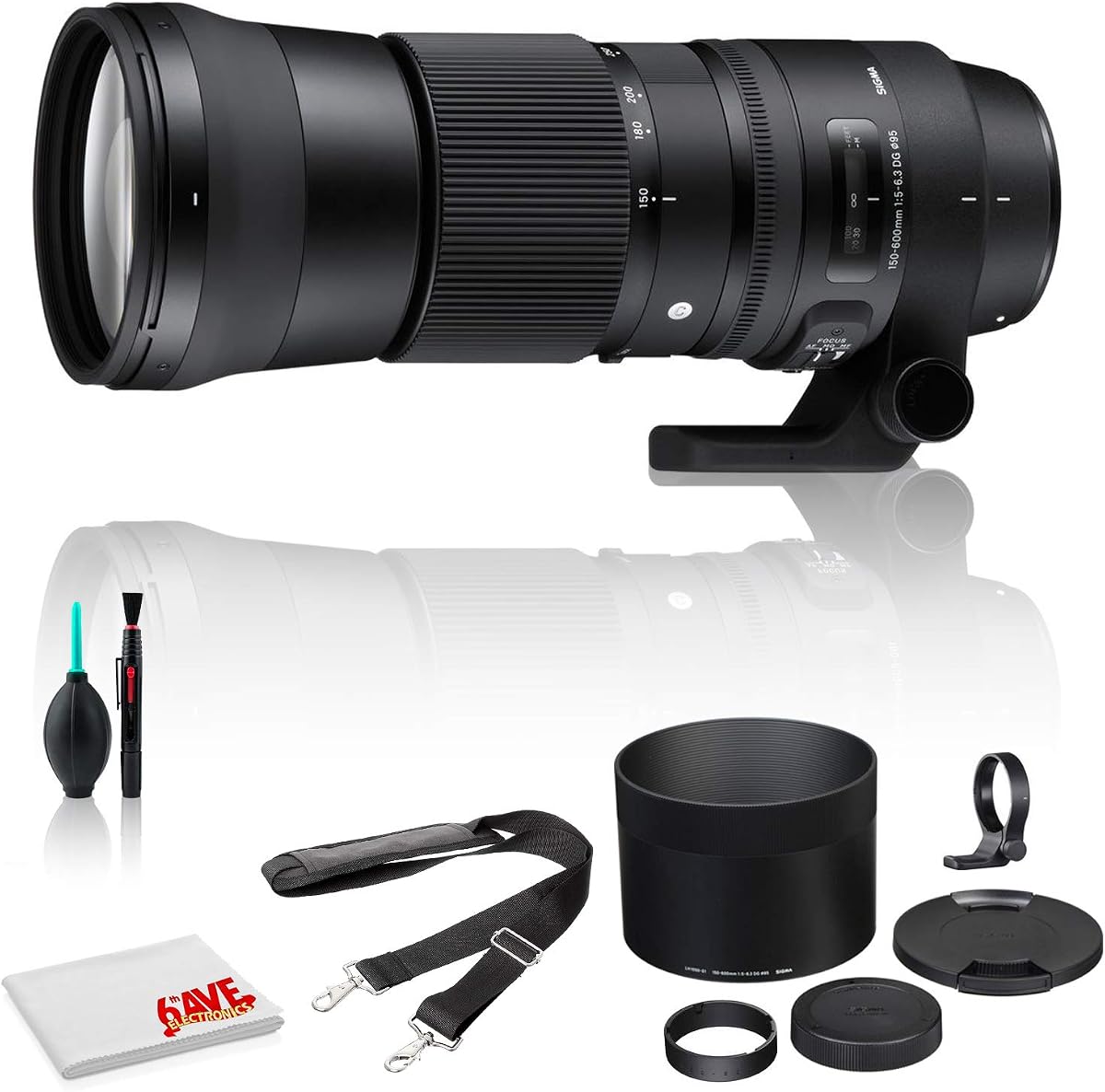
This Sigma lens offers a versatile range for Canon EF mount users who want high-quality optics without the premium price of some native lenses. It is highly rated for its sharpness and consistent performance.
We may earn a commission when you buy through this link, at no additional cost to you.
The Optical Stabilizer with accelerometer helps reduce camera shake, making it easier to shoot handheld. The Hyper Sonic Motor provides reliable autofocus that is crucial for capturing moving wildlife.
One drawback is the weight compared to newer RF lenses, which can become a factor during long shoots. Additionally, the manual focus ring requires practice to use smoothly during live action.
If you own a Canon DSLR and need a reliable super-telephoto lens, this is a solid choice. It delivers professional results for wildlife and sports photography at a competitive price.
The stabilizer is essential for handheld shots at long focal lengths, helping you maintain sharp images even with slight movements.
The bundle includes a cleaning kit, ensuring you can maintain your lens optics properly to preserve image quality over time.
We may earn a commission when you buy through this link, at no additional cost to you.
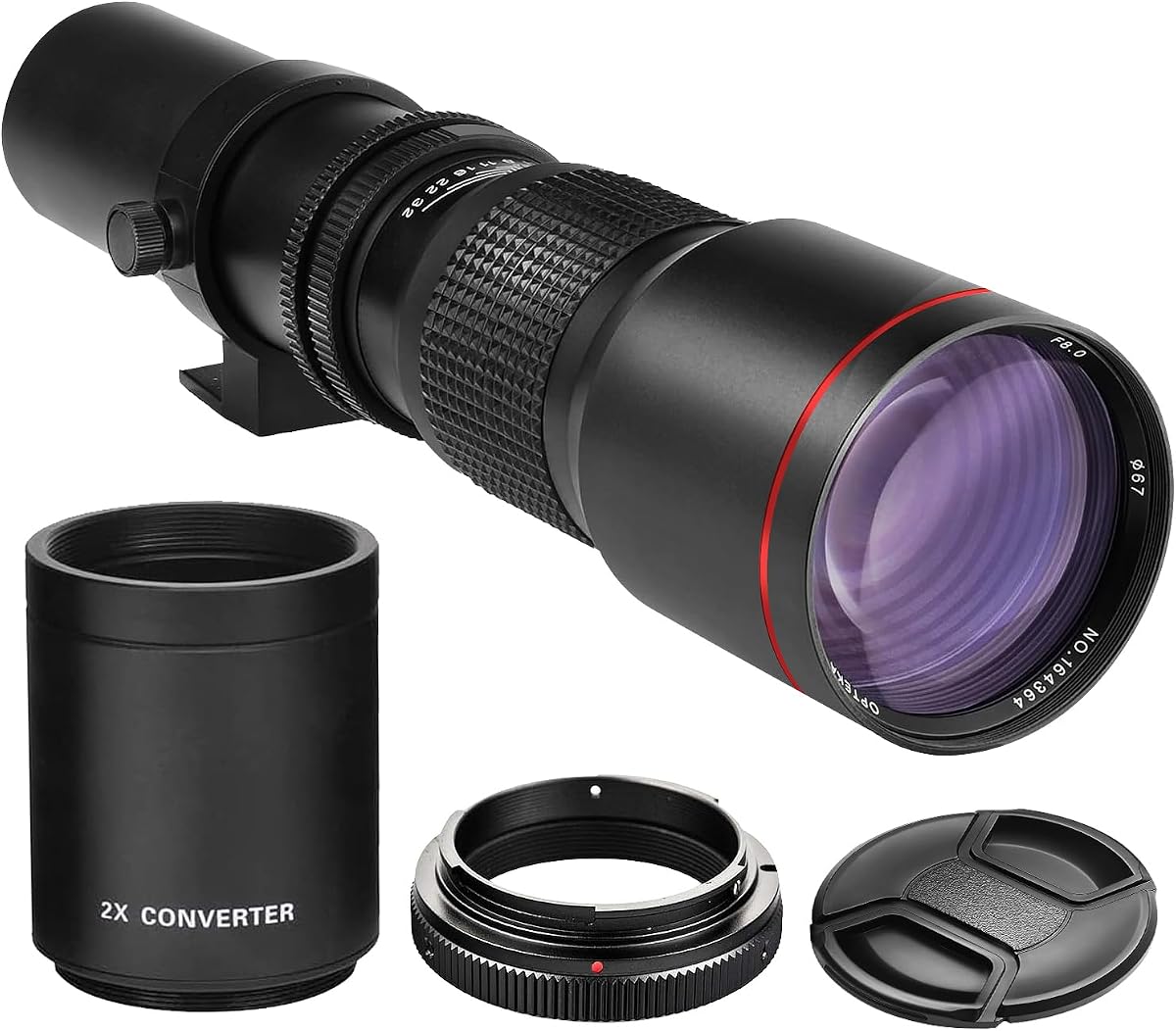
This manual lens provides an extremely budget-friendly way to reach 1000mm on Canon DSLR cameras. While it lacks autofocus, it offers surprising clarity for the price point and is popular among beginners.
We may earn a commission when you buy through this link, at no additional cost to you.
The 2X teleconverter doubles the focal length, giving you significant reach without breaking the bank. The durable construction ensures it can withstand outdoor conditions and frequent transport.
The lack of autofocus is a major limitation for moving subjects, requiring patience and steady hands. Additionally, the fixed aperture limits low light performance significantly.
For hobbyists who want to experiment with extreme focal lengths without a large investment, this lens is a fun tool. It teaches valuable skills in manual focusing and composition.
The 1000mm capability brings distant subjects into the frame that would otherwise be impossible to capture with standard lenses.
Manual focus allows you complete control over what part of the image is sharp, which can lead to creative artistic effects.
We may earn a commission when you buy through this link, at no additional cost to you.
This L-series lens is a professional tool for wildlife and sports photographers who need fast performance and reliable image quality. It is known for its robust build and advanced optical construction.
We may earn a commission when you buy through this link, at no additional cost to you.
The fluorite and UD elements minimize aberrations, ensuring sharp images across the zoom range. The ring-type USM motor delivers quick and silent focusing, which is vital for active wildlife.
Its weight can be tiring during all-day shoots, and the price is higher than consumer-grade alternatives. However, the durability and optical performance justify the investment for professionals.
If you need a versatile telephoto for wildlife and sports on a Canon DSLR, this is a trusted choice. It handles various lighting conditions and subjects with consistent results.
The removable rotating tripod collar provides balanced support, making it easier to shoot for extended periods with stability.
The image stabilization reduces shake by up to two stops, improving your chances of getting sharp shots handheld.
We may earn a commission when you buy through this link, at no additional cost to you.
This lens pushes the boundaries of focal length with a 1600mm capability when using the teleconverter. It is designed for users who want extreme reach at a very accessible price.
We may earn a commission when you buy through this link, at no additional cost to you.
The HD optics promise crisp photos at standard zoom, and the 62mm filter thread adds utility for protection. It fits a wide range of Canon DSLR models with ease.
Image quality can degrade at the longest end of the zoom range, and the lack of autofocus makes tracking moving animals difficult. These factors limit it to static subjects or patient photographers.
For those curious about extreme telephoto capabilities without spending a fortune, this lens is a viable option. It brings distant landscapes and wildlife closer than most budget lenses can.
The ability to reach 1600mm allows you to capture subjects that are otherwise completely out of reach for standard equipment.
Seamless integration with Canon DSLRs ensures that you can mount it quickly and start shooting without adapter complications.
We may earn a commission when you buy through this link, at no additional cost to you.
This RF lens is a compact option for EOS R users who need a portable telephoto for wildlife and general photography. It is highly rated for its image quality and manageable size.
We may earn a commission when you buy through this link, at no additional cost to you.
With up to 6 stops of shake correction when paired with IBIS cameras, it performs well in handheld scenarios. The Nano USM autofocus is fast and smooth for tracking subjects.
The aperture narrows to f/8 at the long end, which limits low light performance. However, for daytime wildlife photography, this is often an acceptable trade-off for the weight savings.
If you want a lightweight lens that covers a useful range without weighing you down, this is an excellent choice. It balances performance and portability effectively for travel and day hikes.
Combined with in-body stabilization, you can shoot handheld at longer focal lengths with a much higher success rate.
The autofocus system is smooth and quiet, making it suitable for situations where noise might disturb wildlife or other subjects.
We may earn a commission when you buy through this link, at no additional cost to you.
This lens is a classic budget option for Canon SLR users who need more reach than a kit lens offers. It is often bought by beginners who want to learn telephoto photography.
We may earn a commission when you buy through this link, at no additional cost to you.
The smooth zoom mechanism and lightweight design make it easy to handle for extended periods. It provides a decent reach of 300mm for closer wildlife or general portraits.
The lack of image stabilization requires fast shutter speeds to avoid blur, especially in lower light. Optical quality is acceptable but not sharp compared to professional lenses.
For casual users who want a simple, affordable lens for learning composition, this is a practical start. It teaches the basics of telephoto work without a significant investment.
The improved mechanism ensures that zooming is smooth and consistent, which helps during composition adjustments in the field.
Weighing just over a pound, it is easy to carry around all day without adding significant weight to your camera bag.
We may earn a commission when you buy through this link, at no additional cost to you.
This Nikon bundle offers a powerful telephoto solution for wildlife photographers using F-mount cameras. It is widely praised for its reach and optical performance relative to its cost.
We may earn a commission when you buy through this link, at no additional cost to you.
The Vibration Reduction system minimizes shake, allowing for sharper handheld shots at long focal lengths. The Silent Wave Motor ensures fast and quiet autofocus for tracking moving wildlife.
The lens is quite heavy, which may require a monopod or tripod for stability. Additionally, stopping down a bit often improves sharpness, especially at the widest aperture.
For Nikon users seeking a versatile and affordable super-telephoto lens, this is a strong contender. It delivers professional results for wildlife and sports photography at a reasonable price.
The stabilization helps counteract camera shake, making it easier to get clear images handheld in various conditions.
Fast and silent autofocus is essential for wildlife photography where noise can spook animals and slow reactions cost shots.
We may earn a commission when you buy through this link, at no additional cost to you.
This renewed lens offers the same optical performance as the original at a lower cost. It is an option for those who want a telephoto lens without paying full retail price.
We may earn a commission when you buy through this link, at no additional cost to you.
It provides a 75-300mm zoom range, suitable for subjects that are moderately close. The DC autofocus motor is functional and reasonably fast for casual photography.
As a renewed product, cosmetic condition may vary, and warranties are often limited. However, for learning the basics, it remains a functional tool that performs as expected.
If you are on a tight budget and want to experiment with telephoto photography, this renewed option is a smart buy. It offers a chance to upgrade your kit affordably.
Buying renewed allows you to access professional optics at a fraction of the cost while maintaining functional reliability for daily use.
The DC motor provides smooth and consistent focusing, which helps in capturing sharp images without requiring expensive tech.
We may earn a commission when you buy through this link, at no additional cost to you.
Selecting the right lens requires balancing reach, weight, and optical quality. Consider these factors to find a lens that suits your specific wildlife photography needs.
Focal length determines how close you can get to your subject from a distance. For wildlife, lenses starting at 300mm are usually the minimum, while 600mm and beyond provide better framing for distant animals.
Choose a lens with enough reach to capture animals without approaching them closely, which is critical for safety and minimizing disturbance.
Ensure the lens matches your camera system, whether DSLR or mirrorless. Using an adapter can add weight and cost, so native lenses often perform better.
Always check if your camera body supports the specific mount to avoid compatibility issues that limit performance.
Wider apertures like f/4 or f/5.6 allow more light in, which is crucial for shooting at dawn or dusk. Many telephoto lenses narrow to f/6.3 or f/9 at the long end.
If you plan to shoot in low light, look for lenses with wider maximum apertures or plan to use faster shutter speeds and higher ISO.
Long focal lengths amplify camera shake, making stabilization vital for handheld shots. Look for lenses with optical stabilization or rely on your camera's IBIS.
Stabilization lets you shoot at slower shutter speeds without blur, increasing your flexibility in the field.
Wildlife moves quickly, requiring an autofocus system that is fast and accurate. Ultrasonic or stepping motors are preferred for quick locking onto moving targets.
A slow autofocus can cause you to miss fleeting moments, so prioritize speed when reviewing specs.
Telephoto lenses can be heavy and cumbersome. Consider how much you can carry comfortably on hikes or long treks.
A lighter lens often means more shooting time because you are less fatigued during the day.
Durability is essential for outdoor use. Look for weather sealing and robust construction to withstand dust, moisture, and bumps.
A well-built lens will last longer and perform reliably in various weather conditions.
Prices vary widely based on brand and optics. Decide how much you are willing to invest for the level of quality you need.
Budget options exist but may lack features like stabilization or fast autofocus. Balance cost with your specific requirements.
Start by mounting the lens securely on your camera body. Use a tripod or monopod for heavier lenses to reduce strain on your arms and prevent shaky images.
Learn to use the autofocus and manual override effectively. Practice panning with moving subjects to capture sharp wildlife in motion.
Keep your lens clean with a soft brush and microfiber cloth. Store it in a dry place to prevent mold and dust damage between shoots.
For many situations, 300mm is a good starting point, especially for larger animals like deer or birds. However, for smaller or distant wildlife, longer focal lengths like 500mm or more provide better framing.
Mirrorless lenses are often lighter and have faster autofocus systems. If you are buying new, consider mirrorless options for better performance. However, DSLR lenses remain a great value if you own a DSLR body.
Yes, stabilization is critical for handheld shots at long focal lengths. It helps reduce blur caused by hand movement, especially in lower light or when using slower shutter speeds.
Use a padded camera bag with dividers to secure the lens. Avoid exposing it to extreme temperatures or humidity and always cap both ends when not in use to protect the glass.
Many professional lenses support teleconverters, which add focal length. Check your lens manufacturer's compatibility list to ensure the converter will work without causing autofocus issues or optical problems.
A wide aperture like f/4 or f/5.6 is ideal for isolating subjects with background blur. However, in bright conditions, stopping down to f/8 or f/11 can improve sharpness throughout the image.
Choosing the right lens depends on your camera system and budget. The Canon RF 200-800mm and Nikon 200-500mm stand out for their reach and performance.
Prioritize features like autofocus speed and stabilization for better results. A well-chosen lens will open up new opportunities to capture wildlife in stunning detail.
Keep in mind that prices and availability change over time. Check current listings to ensure you are getting the best deal before you buy.