
EVISTR 64GB Digital Voice Recorder
4.2Editor score
Voice activated recording
64GB high capacity memory
PCM intelligent noise reduction
This guide compares the top handheld recorders for journalists based on audio quality, battery life, and portability to help you choose the right device.
Journalists need reliable tools to capture clear audio in any environment. A good handheld recorder ensures interviews and field notes are recorded with high fidelity.
We evaluated ten top models based on microphone quality, storage options, and ease of use. Each device offers unique features tailored to professional reporting needs.
Every pick highlights key strengths and ideal use cases for reporters. Prices fluctuate often, so check current listings before making your final purchasing decision.
4.2Editor score

4.7Editor score
4.2Editor score
The following table provides a side-by-side comparison of all ten selected recorders to help you quickly identify the best fit for your reporting workflow.




The Zoom H5 stands out as a top choice for journalists needing professional-grade audio. Its rating reflects high user satisfaction with its versatile recording capabilities.
We may earn a commission when you buy through this link, at no additional cost to you.
Key strengths include interchangeable input capsules that allow you to adapt the device to different recording scenarios. The four-track simultaneous recording ensures you capture multiple sources without compromise.
While it is pricier than basic voice recorders, the flexibility it offers justifies the cost. The ability to use external microphones via XLR inputs makes it ideal for complex field interviews.
Journalists who require high fidelity and adaptability should consider this model. It is a robust tool that supports professional workflows effectively.
Interchangeable capsules allow you to switch between different microphone configurations easily.
High-quality recording ensures your interviews and field notes are captured with clarity.
We may earn a commission when you buy through this link, at no additional cost to you.
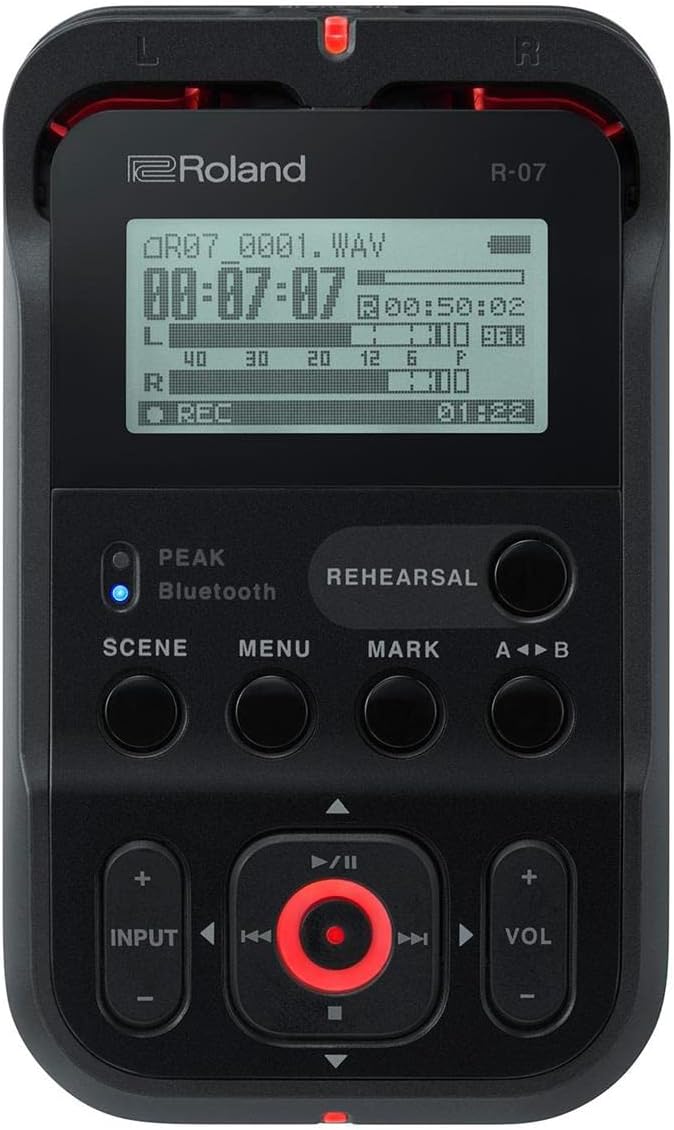
The Roland R-07 offers a lightweight solution for journalists on the move. It is rated well for its hi-res recording and wireless capabilities.
We may earn a commission when you buy through this link, at no additional cost to you.
Its Bluetooth control allows you to monitor audio remotely using your smartphone or speakers. One-touch templates simplify setup in various recording scenarios quickly.
Some users note that battery life can vary depending on usage patterns. Additionally, external input options are less flexible than higher-end models.
This recorder is best suited for reporters who prioritize portability and modern connectivity features. It balances performance and convenience effectively.
Bluetooth connectivity lets you listen and control the device wirelessly from a distance.
One-touch templates help you start recording quickly without complex configuration.
We may earn a commission when you buy through this link, at no additional cost to you.
The EVISTR 64GB is a highly affordable option that delivers solid performance for basic reporting needs. Users appreciate its large storage and voice activation features.
We may earn a commission when you buy through this link, at no additional cost to you.
It records in PCM quality with noise reduction to ensure clarity. The voice activated feature saves battery and storage by recording only when sound is detected.
While the build is plastic and microphone quality is basic, it is excellent for casual interviews. The cost makes it accessible for those with budget constraints.
Journalists looking for a reliable backup or budget-friendly device will find this useful. It handles long sessions well without frequent charging.
Records only when sound is detected, saving storage and battery life efficiently.
64GB memory allows for thousands of hours of recording without needing frequent transfers.
We may earn a commission when you buy through this link, at no additional cost to you.
Tonfarb 64GB focuses on simplicity with one-click recording and saving functions. It is rated positively for ease of use in quick interview scenarios.
We may earn a commission when you buy through this link, at no additional cost to you.
The ergonomic design allows you to record instantly even when powered off. Password protection safeguards your files from unauthorized access effectively.
Audio quality is acceptable for general purposes but lacks the depth of higher-end recorders. It serves well as a backup device for fast note-taking.
If you need a device that is ready to record immediately without setup, this is a strong choice. It prioritizes speed and convenience over advanced audio features.
Pushing the side button starts recording immediately without navigating menus.
Password protection ensures sensitive recordings remain private and secure.
We may earn a commission when you buy through this link, at no additional cost to you.
The Tascam DR-40 is a trusted model known for reliable multi-track recording capabilities. Users value its simple interface and consistent performance in the field.
We may earn a commission when you buy through this link, at no additional cost to you.
It supports four-track recording allowing simultaneous capture of different sources. The build quality is durable and fits well in a reporter's bag.
Some users find the lack of modern USB-C connectivity limiting. It remains a strong choice for those prioritizing proven reliability over new features.
Journalists needing a robust recorder for multi-source audio should consider this device. It delivers consistent results over years of use.
Captures multiple audio sources simultaneously for flexible post-production editing.
Built to withstand the rigors of daily field use with a sturdy finish.
We may earn a commission when you buy through this link, at no additional cost to you.
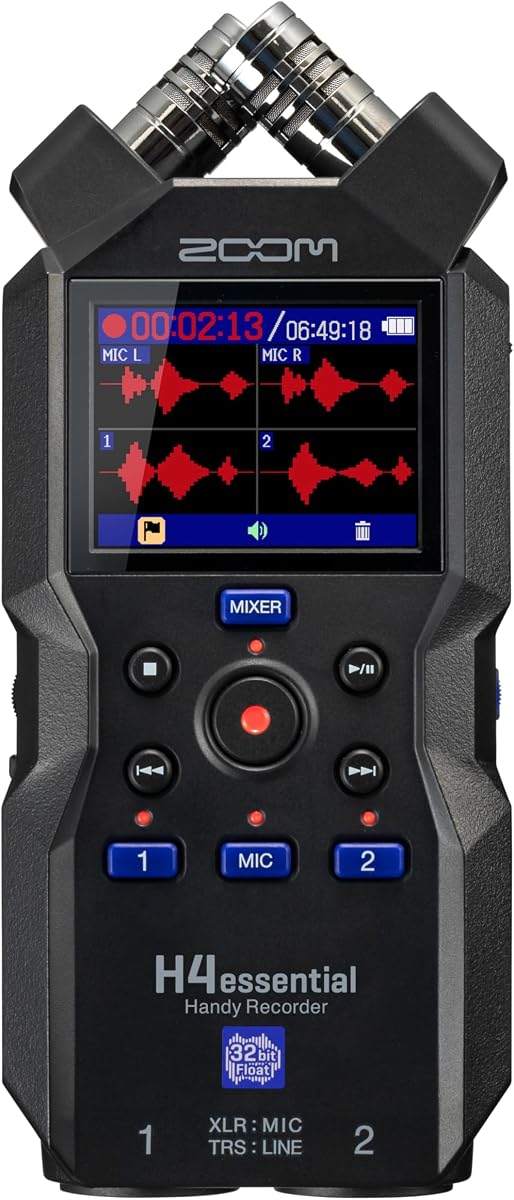
Zoom H4 Essential offers a balance of features ideal for podcasters and interviewers. It is rated highly for its clear voice capture and versatile inputs.
We may earn a commission when you buy through this link, at no additional cost to you.
The USB-C connection allows for direct recording to devices while saving backups to SD cards. Two XLR/TRS inputs support external microphones for better audio quality.
While it is slightly heavier, the extra features justify the bulk. It supports both professional and casual recording needs effectively.
Journalists seeking a balance of affordability and performance will find this suitable. It is an accessible entry into multi-track recording.
USB-C allows direct device recording and backup creation simultaneously.
Spoken guidance makes navigation easier for all users including visually impaired.
We may earn a commission when you buy through this link, at no additional cost to you.
Pocket AI Voice Recorder goes beyond basic recording with AI transcription and summarization. Users praise its ability to turn conversations into actionable summaries instantly.
We may earn a commission when you buy through this link, at no additional cost to you.
The one-tap recording and MagSafe compatibility ensure hands-free operation on the go. Battery life supports up to four days of continuous use.
Some advanced features require a subscription which may add ongoing costs. Offline capabilities are limited compared to traditional recorders.
This device is perfect for journalists who want quick notes and summaries without manual work. It enhances productivity by automating note-taking tasks.
Automatically generates summaries and action items from your recordings instantly.
MagSafe attachment allows secure hands-free recording during meetings.
We may earn a commission when you buy through this link, at no additional cost to you.
Zoom H1 Essential delivers clear stereo audio in a compact package. It is ideal for journalists needing quick setup and portable recording.
We may earn a commission when you buy through this link, at no additional cost to you.
It functions as a USB microphone for remote meetings and livestreams. Natural stereo sound captures voices and ambient noise effectively.
Controls are minimal which limits customization for advanced users. It is best for simple voice recording tasks rather than complex audio production.
For reporters seeking a lightweight backup option this device works well. It provides clean audio without the weight of larger units.
Compact size fits easily in pockets for easy carrying during field work.
Acts as a high-quality microphone for calls and streams via USB-C.
We may earn a commission when you buy through this link, at no additional cost to you.
Zoom H2 Essential features multiple built-in microphones with selectable patterns for versatility. It is rated well for its wireless sync capabilities and accessibility.
We may earn a commission when you buy through this link, at no additional cost to you.
It records clip-free audio without manual gain adjustments. Bluetooth sync allows multiple units to align perfectly during multi-device recordings.
There is a learning curve to utilize all features effectively. The price is higher than basic voice recorders but justified by advanced features.
Journalists needing flexible recording patterns and multi-unit sync will appreciate this model. It balances advanced tech with user-friendly operation.
Bluetooth allows multiple units to sync timecode for aligned recordings.
Full audio accessibility in seven languages helps visually impaired users.
We may earn a commission when you buy through this link, at no additional cost to you.
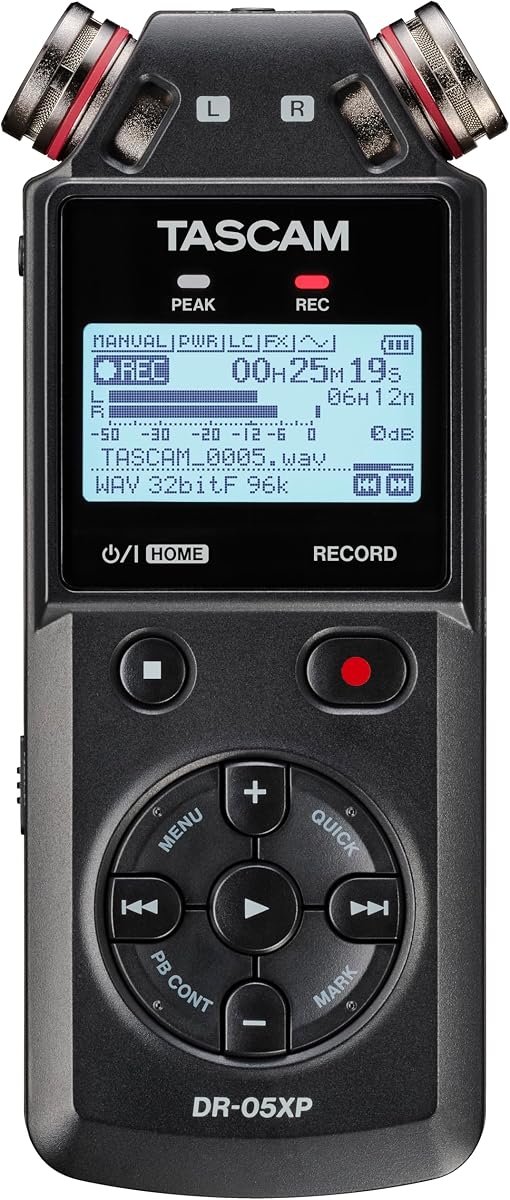
TASCAM DR-05XP offers premium 32-bit float audio for exceptional dynamic range. It is rated well for its ability to handle loud environments without distortion.
We may earn a commission when you buy through this link, at no additional cost to you.
The USB-C audio interface allows direct recording to computers for streamlined workflows. Flexible recording modes adapt to various source types from meetings to music.
While it is a premium investment, the audio fidelity is unmatched in its class. It requires an SD card which adds to initial setup costs.
Journalists prioritizing audio clarity and flexibility should choose this model. It provides professional results for critical reporting tasks.
Captures audio with massive dynamic range preventing clipping in loud scenes.
Connects directly to computers for high-quality audio input during streaming.
We may earn a commission when you buy through this link, at no additional cost to you.
Selecting the right recorder depends on your specific reporting needs. We analyze key factors that impact audio quality and usability in the field.
High bit depth ensures recordings capture subtle nuances and handle sudden volume changes. Look for devices supporting 24-bit or 32-bit float audio to prevent clipping.
Prioritize recorders with wide dynamic range to maintain clarity in varying environments.
Built-in stereo microphones offer convenience while external inputs provide flexibility. Consider models with XLR or TRS inputs for higher fidelity in noisy settings.
Choose a device that fits your typical interview distance and environment.
Long-lasting batteries are essential for extended field assignments. Rechargeable units save money while replaceable AA batteries offer convenience in remote areas.
Check expected recording time to ensure you can complete assignments without interruptions.
SD card slots allow expandable storage essential for long recordings. Devices with automatic file naming help organize interviews and notes efficiently.
Ensure the recorder supports standard formats like WAV or MP3 for compatibility.
Journalists often carry equipment in tight spaces. Compact and durable devices withstand travel and accidental drops effectively.
Prioritize lightweight designs that fit easily in pockets or small bags.
Modern interfaces like USB-C facilitate easy file transfer and charging. Bluetooth connectivity allows wireless control and monitoring during recording.
Ensure the device connects to your preferred workflow devices and software.
Determine how much you can spend before shopping. Balance cost with necessary features to avoid overpaying for unused capabilities.
Invest in models offering longevity and reliability rather than lowest price.
Simpler interfaces reduce setup time during critical moments. Voice activation or one-touch buttons help capture spontaneous conversations.
Choose devices with intuitive controls to minimize distraction while recording.
Always test your device before an interview to verify microphone function and battery life. Record a short sample and listen back to ensure clarity.
Store the recorder in a protective case to prevent scratches and damage during transport. Keep spare batteries or a charger accessible for emergencies.
Regularly update firmware and clean microphone grilles for optimal performance. Label files immediately after recording to maintain organization and avoid data loss.
The Zoom H5 offers exceptional versatility with interchangeable capsules and four-track recording. For budget options, the EVISTR 64GB provides reliable performance at a low cost.
Many models support external microphones via XLR or TRS inputs. This allows for superior audio quality in noisy environments compared to built-in mics.
Battery life varies by model and usage. Most recorders offer between 10 to 20 hours of continuous recording. Consider rechargeable or AA options for convenience.
Yes, most modern recorders connect via USB or Bluetooth. Some models act as USB drives allowing drag-and-drop transfers for quick file management.
Most standard recorders are not waterproof but should be kept away from moisture. Look for weather-resistant options if you work outdoors frequently.
Common formats include WAV and MP3. WAV offers higher quality suitable for editing while MP3 saves space and is easy to share.
We reviewed ten top handheld recorders suited for journalists ranging from budget to premium options. Each device offers unique strengths to help you capture high-quality audio.
Consider your specific reporting needs and budget when making your choice. Prioritize audio quality and battery life to ensure reliability in the field.
Remember to check current prices and availability before purchasing. This guide provides a solid starting point for finding the right tool for your workflow.